

Before iron ore can be transformed into high-grade steel, it must undergo rigorous physical beneficiation and chemical smelting. This engineering guide details the complete metallurgical flow, starting with the critical role of the Spiral Classifier in purifying raw iron ore. It explains the fundamental chemical differences between brittle pig iron and ductile steel—focusing on carbon reduction and impurity removal—and highlights how advanced Liming Heavy Industry equipment, including vibrating feeders and magnetic separators, prepares hematite and magnetite for efficient blast furnace smelting.
In our modern industrial world, steel is the absolute foundation of civilization. From massive oceanic freighters, heavy agricultural machinery, and high-speed trains, down to the cast iron skillets and steel pens we use daily, this alloy is indispensable. However, high-quality steel does not emerge naturally from the earth. The journey from raw, rocky earth to high-tensile steel requires a highly complex, multi-stage metallurgical engineering process.
As a senior metallurgical engineer, I frequently oversee the design of these massive industrial circuits. The entire steelmaking process can be broadly divided into two major phases: first, the physical beneficiation and purification of the raw iron ore; and second, the chemical smelting and refining of pig iron into steel. In this guide, we will explore this complete metallurgical sequence, highlighting the critical role of mechanical classification equipment in achieving maximum iron recovery.
The Critical Role of the Spiral Classifier in Ore Beneficiation
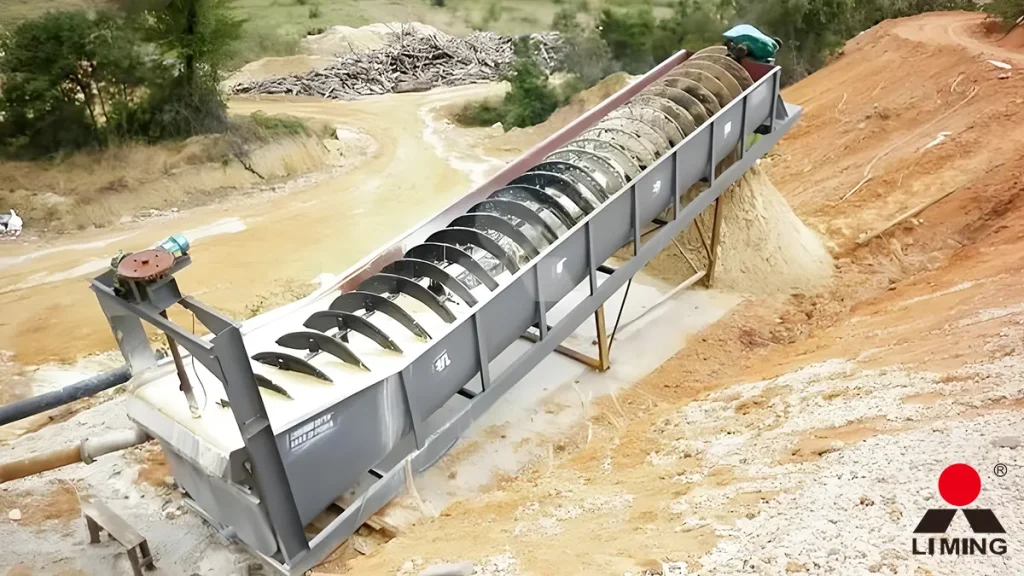
Raw iron ore extracted directly from a mine is heavily contaminated with worthless gangue rock (such as silica and alumina). Before this ore can be fed into a blast furnace, it must be physically purified and upgraded. This is where the Spiral Classifier becomes an absolutely essential piece of mineral processing equipment.
The spiral classifier is a dedicated wet-processing machine designed specifically for the grading, desliming, and purification of ore slurries. Operating in a closed-circuit loop with a ball mill, it utilizes the principle of gravity settling. Coarse, heavy particles sink to the bottom and are pushed upward by the rotating spiral blades to be returned to the mill for regrinding. The fine, properly liberated iron particles remain suspended in the water and overflow the top weir, moving forward to the magnetic separation stage.
To ensure a continuous, automated production line, the spiral classifier is perfectly integrated with auxiliary equipment manufactured by Liming Heavy Industry, including the Vibrating Feeder (for controlled raw material input) and the Belt Conveyor (for seamless material transport). This mechanical synergy ensures that high-grade iron ores, such as hematite and magnetite, are rapidly and efficiently purified before smelting.
Understanding the Raw Materials: Iron Ore Types
How does the rock change into steel? Miners first extract various types of iron-bearing minerals from the earth’s crust. The most commonly utilized ores for large-scale iron smelting are:
- Magnetite (Fe3O4): A highly magnetic black ore, making it extremely easy to concentrate using magnetic separators.
- Hematite (Fe2O3): A dense, reddish-brown ore that often requires gravity separation combined with advanced flotation or high-intensity magnetic separation.
- Limonite and Siderite: Lower-grade ores that frequently require roasting or complex chemical processing prior to separation.
In ancient China, early iron smelting relied on raw, unpurified ores and massive amounts of charcoal. The process was incredibly cumbersome and highly inefficient, often requiring over a thousand laborers just to manage the furnaces and burn the charcoal for a single batch of iron. Today, the focus is strictly on maximizing the iron grade before smelting. By deploying Liming Heavy Industry’s spiral classifiers and magnetic separators, modern plants quickly purify these ores, making the extraction process highly profitable.
The Chemical Transition: From Pig Iron to Steel
Once the iron concentrate is purified, it is fed into a massive blast furnace along with coke and limestone. The resulting product is known as “pig iron.” However, pig iron and steel are not the same material, even though both share the same base element: Iron (Fe).
So, why is there such a massive difference in their physical properties? The root cause lies entirely in their carbon content and the presence of unwanted impurities. Pig iron is defined as having a carbon content greater than 2% (often containing excessive amounts of silicon, manganese, sulfur, and phosphorus). Because of this high carbon saturation, pig iron is highly brittle, lacks elasticity, and is extremely difficult to machine, forge, or weld. It is primarily restricted to low-stress applications like machine tool bases, heavy outer casings, and traditional cast iron cookware.
Steel, on the other hand, is defined as having a carbon content strictly between 0.03% and 2.0%. (Anything below 0.03% is considered wrought iron). Steel possesses excellent toughness, superior plasticity, and outstanding weldability. It can be forged, rolled, and drawn into wire, making its application scope vastly wider than that of pig iron.
The Core of Steelmaking: Refining the Metal
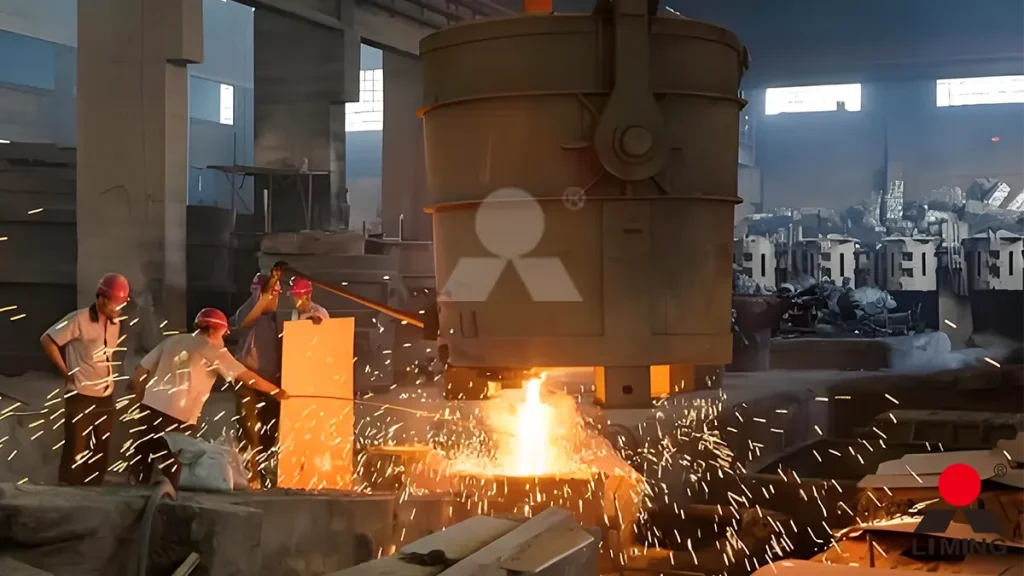
The entire steelmaking process is essentially a secondary chemical refinement of pig iron. The molten pig iron is transferred into a Basic Oxygen Furnace (BOF) or an Electric Arc Furnace (EAF). Here, metallurgical engineers execute a highly precise chemical transformation.
Factory technicians often summarize this complex procedure with a simple operational maxim: “Reduce the carbon, adjust the silicon and manganese, and remove the sulfur and phosphorus.”
Oxygen is blasted into the molten iron, binding with the excess carbon to form carbon monoxide gas, which escapes the furnace, thereby lowering the carbon content to the exact percentage required. Simultaneously, fluxes are added to chemically bind with the harmful sulfur and phosphorus impurities, pulling them out of the liquid steel into a floating layer of removable slag. Finally, specific ratios of silicon, manganese, and other alloys are reintroduced to give the final steel its desired mechanical strength and corrosion resistance.
Conclusion
The transformation of heavy, dirt-laden rock into the high-tensile steel that builds our modern world is a triumph of industrial engineering. It requires absolute precision at every stage. If the upstream physical beneficiation fails—if the spiral classifiers and magnetic separators do not properly purify the raw hematite or magnetite—the downstream blast furnaces will consume excessive fuel and produce weak, impurity-laden pig iron.
To guarantee the success of your metallurgical operation, investing in highly reliable, advanced mineral processing machinery is mandatory. Liming Heavy Industry provides world-class engineering solutions and robust equipment designed specifically for massive iron ore extraction projects. By ensuring your primary crushing, grinding, and classification circuits operate flawlessly, we help you lower long-term operating expenses and maximize the purity of your final iron concentrate.